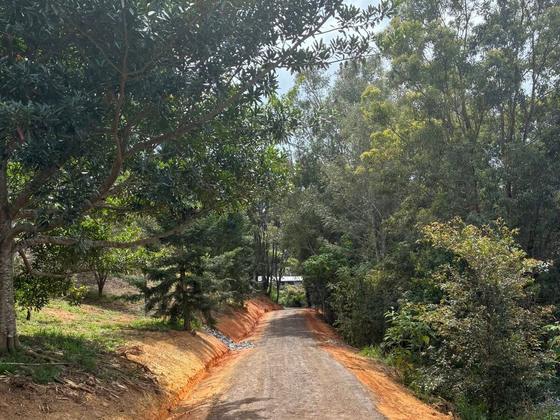
Show the problem and the surrounding track
Close-up photos show damaged gravel, but wider views help explain the route, slope and nearby ground. Include both approaches to a problem section and somewhere to judge its size. Let Rex know whether the damage appeared after one event or has returned after previous repairs. That history helps separate a local surface problem from a more extensive issue.
When resurfacing may be enough
Where the underlying track and drainage are suitable, grading and additional material may form part of a repair. Soft areas, deep ruts or repeated washouts can require more preparation. A new layer of gravel alone is not a diagnosis. The scope should explain what is being repaired below the surface and what is simply being refreshed.
Consider water before replacing lost gravel
Water may be entering from uphill, crossing the drive or collecting where it has no suitable outlet. Rex can assess associated drainage earthworks as part of the enquiry. The solution depends on the site and where water can be directed. Avoid assuming that a larger pipe or a deeper drain is automatically the right answer.
Keep essential access in the plan
Tell Rex whether the driveway is the only access to the house, whether deliveries are booked and whether vehicles must use it during the work. Gate width, turning space and a place to unload materials affect the job. If the track is currently unsafe to use, describe the damage from a safe position rather than driving through it to take photos.
Repair versus rebuilding the driveway
Ask for a scope that distinguishes local repairs from rebuilding longer sections. That makes quotes easier to compare and helps you decide where to spend first. Send the approximate affected length and width, not just the total driveway length. If you need a new route or significantly different access, start with the gravel driveway construction page.